

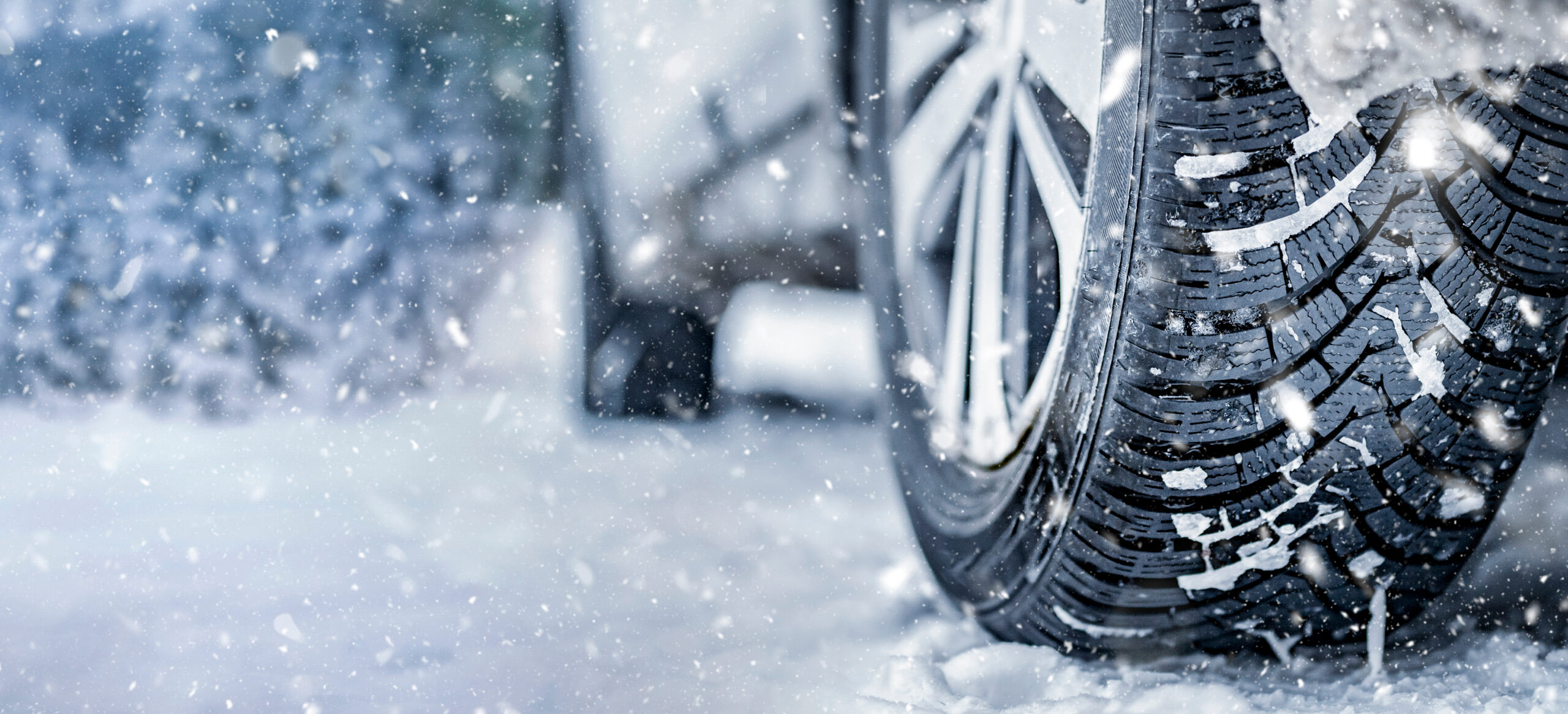
Winter in the Treasure Valley does not damage a vehicle in one dramatic event. It does it gradually, through four months of sanded highways, brine-treated pavement, freeze-thaw cycles, and a sun that sits so low it is in your eyes for most of the drive home. By March, the damage is done, and most of it is not reversible. At Auto Shades Idaho, the vehicles that come through spring looking untouched are the ones that got prepared in November, not the ones that got detailed in April.
This is a practical checklist organized by what winter actually does, rather than by what is easiest to sell.
Winter Attacks a Vehicle Three Different Ways
Grouping the threats this way makes the decisions obvious, because each one has a different defense and none of them covers the others.
| The threat | What it looks like | What actually defends against it |
|---|---|---|
| Impact damage | Rock chips on the hood, bumper, mirrors, and leading edges | Paint protection film |
| Chemical and grime | Brine film, salt residue, road grime that will not rinse off | Ceramic coating, plus regular washing |
| Visibility | Low-angle glare, early darkness, wet reflective pavement | Quality window tint, clean glass, good wipers |
| Corrosion underneath | Rust starting in seams, rockers, and the undercarriage | Undercarriage washes. Nothing above handles this |
Threat One: Impact Damage From Sanded Roads
This is the most underestimated winter problem in southwest Idaho. Highway crews sand and treat roads through the season, and that material gets picked up and thrown at whatever is behind. Anyone running I-84 between Caldwell, Nampa, and Boise is driving through a low-grade sandblaster for months.
Rock chips are not a cosmetic footnote. A chip that reaches bare metal becomes a corrosion site, and once moisture and salt get in, it spreads under the paint where you cannot see it. Touch-up paint slows that down. It does not look good, and it does not restore the finish.
Paint protection film is the only thing on this list that prevents impact damage rather than managing its aftermath. It is a thick, self-healing urethane film applied over the panels that take the hits: bumper, hood leading edge, fenders, mirrors, and often the A-pillars and headlights. It absorbs what would otherwise chip the paint.
Film is also the layer with the longest lead time, since it takes the most install time and books out fastest in the fall. If you are doing only one thing before the weather turns, do this one.
Threat Two: Brine, Salt, and Grime That Will Not Come Off
Treated roads leave a film on everything. The honest description of what a ceramic coating does here is worth being precise about, because this is where winter marketing tends to overpromise.
A ceramic coating does not neutralize road salt or magnesium chloride. It does not make your vehicle immune to anything. What it does is create a slick, hydrophobic surface that residue struggles to bond to, which means a winter wash actually removes the grime instead of smearing it around. Over a season, that is the difference between paint that looks dull and etched by March and paint that cleans up to where it started.
The practical consequence is that coating makes washing effective, so you still have to wash. A coated vehicle that never gets rinsed through winter is still going to accumulate residue. Our full guide on protecting your car from snow and salt with ceramic coating goes deeper into the chemistry.
Threat Three: Winter Glare, the One Nobody Plans For
Most drivers think of window tint as a July product. In practice, the worst glare of the year is in December, and the reason is geometry. The sun sits low enough that it comes in nearly horizontally, under the visor, straight into your eyes, during both the morning and evening commute. Add wet pavement reflecting it and headlights on by five in the afternoon, and winter is genuinely the harder season for visibility.
Quality tint reduces that without making the glass too dark to see through at night, which is the tradeoff to manage. It also keeps blocking ultraviolet year-round, which protects the dash and seats that winter sun still reaches. Our breakdown of the best window tint for reducing glare while driving covers how to choose a shade that helps in December without hurting at night.
Threat Four: The One No Film Covers
Corrosion starts underneath, in the seams, rockers, suspension components, and frame areas where brine collects and never dries. No film and no coating applied to painted exterior panels addresses this, and anyone implying otherwise is selling you something.
The defense is unglamorous and cheap: run the undercarriage wash regularly through the season, especially after driving treated highways, and more often during a thaw when everything underneath is wet and warm enough for corrosion to move quickly.
Putting It Together as a Winter Prep Package
We bundle the three exterior defenses because they solve different problems and because doing them in one visit is more efficient than three separate appointments:
- Paint protection film on the front end, for impact damage from sand and gravel
- Ceramic coating on the painted surfaces, so winter washes actually remove brine residue
- Ceramic window tint, for low-angle glare and year-round UV
There is a sequencing reason to do them together rather than piecemeal. Paint correction, if needed, has to happen before film goes on, because film is optically clear and locks in whatever is underneath it. Coating goes on after film, not before. Doing these out of order means paying to undo work. One visit, correct order, no rework.
For trucks and SUVs, we usually add rocker panel and rock guard coverage, since those areas take the worst of the spray off the front tires. More detail on what each service involves is on our paint protection film and ceramic coating page, and tint options are on our automotive tint page.
Timing, and Why November Beats January
Film and coating are installed indoors in a heated, controlled bay, so winter work is possible. But there are real reasons to go early.
- Cure time. Both film and coating need an undisturbed period after installation before the first wash. Doing that in mild, dry weather is easier than during a storm week.
- Protection starts when the film does. Chips collected in December cannot be undone by film installed in February.
- Correction is easier on a clean start. A vehicle that has already been through half a winter may need more prep before film, which costs more.
- Booking. Film is labor-intensive, and fall is the busiest stretch for it.
Frequently Asked Questions
Does paint protection film prevent rust?
Indirectly, on the panels it covers, by preventing the chips that let moisture reach bare metal. It does nothing for the undercarriage, seams, or anywhere it is not applied, which is where most corrosion actually starts.
Is ceramic coating enough on its own for winter?
It handles the chemical and cleaning side well and does nothing for impact. A coated hood still chips. The two products address different threats, which is why they are usually done together rather than chosen between.
Can this work be done once winter has started?
Yes. Installation happens indoors in a temperature-controlled space. Expect a longer cure window in cold weather and plan to leave the vehicle unwashed for a bit longer than you would in summer.
Do I still have to wash my car if it is coated?
Yes, and arguably more deliberately. Coating makes washing effective by preventing residue from bonding. It does not remove anything on its own. Skipping winter washes undoes much of the benefit.
What about the windshield?
Windshield chips are a separate issue from painted panel chips, and standard paint film does not go on a windshield. Good wipers, a working defroster, and getting chips filled before they spread matter more there.
Get It Done Before the First Real Storm
Winter prep is one of the few vehicle decisions where the timing matters as much as the choice. The protection only counts for the miles driven after it is installed.
Auto Shades Idaho serves Caldwell, Nampa, Boise, Eagle, Star, and the surrounding Treasure Valley. Contact us to talk through a winter prep package for your vehicle, and we will tell you which pieces your car actually needs rather than quoting all three by default.