

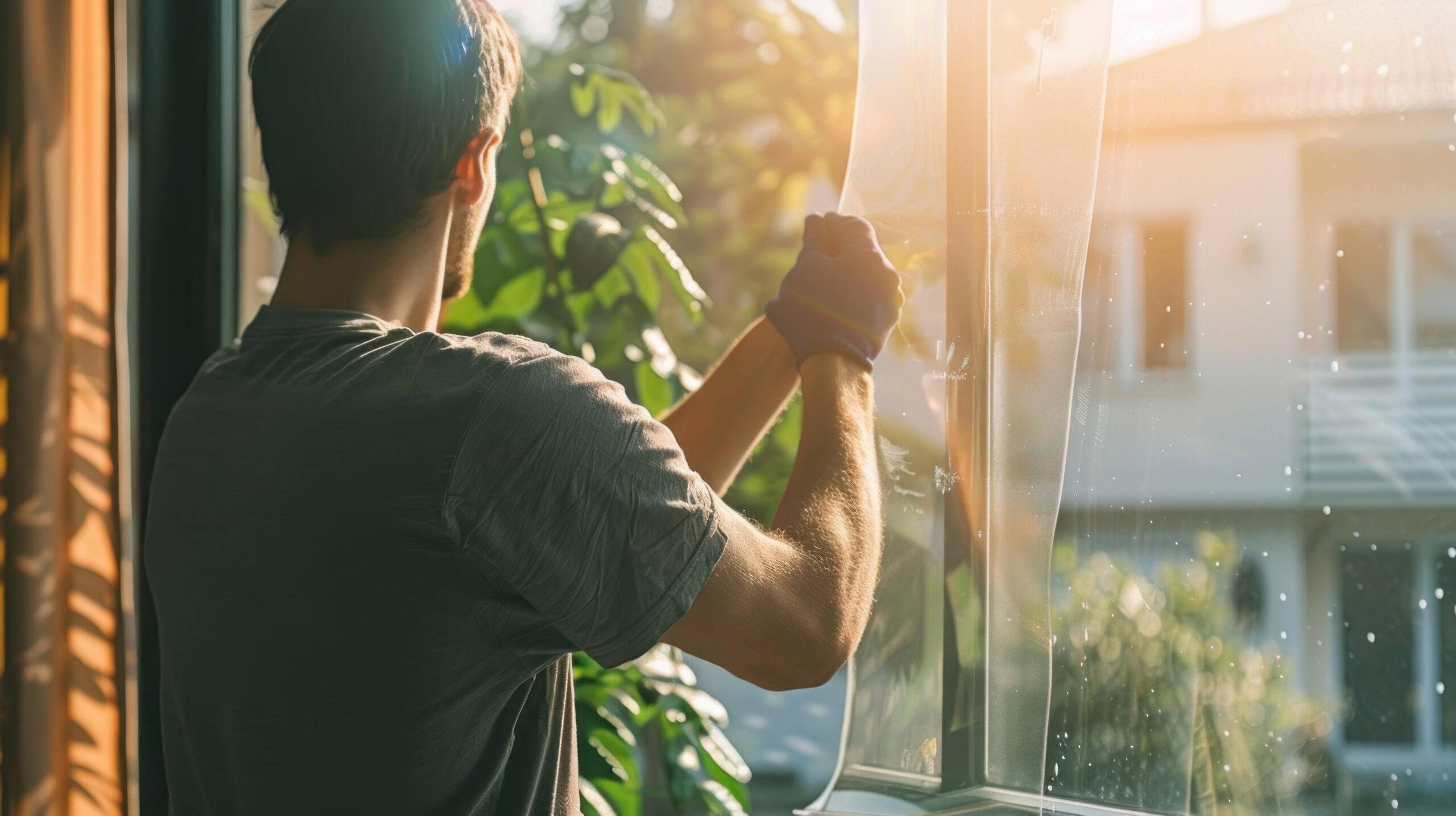
It is already summer in Eagle, and if certain rooms in your home feel noticeably hotter than others, if your air conditioner runs constantly without keeping up, or if afternoon sun makes your living room unusable between two and six in the evening, you already know the problem. Idaho summers are intense, and west and south-facing windows that let direct sun pour into your home through the hottest hours of the day are doing real damage to your comfort, your energy bills, and your furniture. Residential window tinting is the solution that Eagle homeowners are discovering right now, mid-summer, because it works immediately and it addresses the root cause rather than just running the AC harder. At Auto Shades Window Tint & Paint Protection, we install home window tinting for Eagle and Treasure Valley homeowners who are done fighting Idaho summer heat one room at a time.
Why Idaho Summer Heat Comes Through Windows Specifically
Your walls are insulated. Your roof has insulation above it. But your windows are essentially large openings that allow solar energy to pass directly into your living space with minimal resistance. South and west-facing windows in Idaho homes receive direct sun during the hottest hours of the afternoon, and the solar heat gain that comes through unprotected glass is one of the primary reasons that certain rooms become uncomfortable while the rest of the house stays manageable.
Standard double-pane windows reduce heat conduction, meaning they slow the transfer of heat through the glass itself, but they do not significantly reduce solar heat gain, which is the radiant energy from sunlight that enters the room and heats everything it contacts. Window tint film addresses solar heat gain directly by reflecting and absorbing a significant portion of the solar energy before it enters the room, reducing the heat load on the space without blocking the view or darkening the room dramatically.
For Eagle homeowners dealing with hot rooms, high cooling costs, and afternoon sun that makes parts of the home unusable during peak summer hours, home window tinting is the intervention that addresses the specific mechanism causing the problem. How much cooler can window tint make your car illustrates how significantly window tint reduces heat gain in an enclosed space, which translates directly to the residential application.
The Immediate Benefits of Residential Window Tinting in Eagle
Homeowners who have residential window tinting installed report noticeable improvements in room comfort within the first days after installation, because the reduction in solar heat gain is immediate and consistent from the first afternoon of direct sun after the film goes on.
Reduced room temperatures in sun-exposed spaces are the most immediately felt benefit. Rooms that were previously unusable during afternoon hours become comfortable again because the film is blocking a significant portion of the solar energy that was heating the space. The air conditioner does not need to work as hard to maintain the target temperature, which reduces energy consumption and extends the life of the cooling system.
Glare reduction is the second benefit that Eagle homeowners appreciate immediately. Idaho summer sun at low morning and afternoon angles creates intense glare on television screens, computer monitors, and any reflective surface in sun-exposed rooms. Window tint film reduces glare to a comfortable level without requiring blackout curtains that eliminate the natural light and the view that make the room pleasant in the first place.
UV protection is a benefit that is less immediately visible but more significant over time. Unprotected windows allow UV radiation that fades furniture fabrics, discolors wood flooring, bleaches artwork, and degrades the interior surfaces that represent significant home investment. Quality window tint film blocks a high percentage of UV radiation, protecting interior furnishings from the cumulative fading and degradation that Idaho summer sun produces through unprotected glass.
Which Windows Benefit Most From Tinting in an Idaho Home
Not every window in a Eagle home creates the same heat and glare problems, and understanding which windows are the priority helps homeowners make the right tinting decisions for their specific situation.
West-facing windows are the highest priority for most Eagle homes because they receive direct afternoon sun during the hottest hours of the day, from roughly two in the afternoon through sunset. The combination of peak outdoor temperature and direct low-angle afternoon sun makes west-facing windows the primary source of uncomfortable heat gain in most Idaho homes during summer.
South-facing windows receive direct sun for more hours of the day than any other orientation in Idaho, particularly during the summer months when the sun tracks across the southern sky. Living rooms, dining areas, and kitchens with south-facing windows that receive extended direct sun exposure are among the most common sources of heat and glare complaints from Eagle homeowners.
Large windows and sliding glass doors in open living areas that face west or south combine large glass area with the most problematic sun exposure, making them the combination that creates the most significant heat gain and glare problems in residential spaces. Tinting these large openings produces the most noticeable improvement in room comfort and energy performance.
East-facing windows receive morning sun that is less intense in terms of heat gain but that creates significant glare during morning hours, particularly in bedrooms where early morning sun disrupts sleep and in home offices where morning work sessions are affected by glare on screens.
Film Options for Residential Window Tinting in Eagle
Residential window tinting film options vary in terms of heat rejection performance, visible light transmission, reflectivity, and appearance, and the right film for a specific window depends on the homeowner’s priorities for that space.
Solar control films that prioritize heat rejection are the right choice for the west and south-facing windows that are creating the most significant heat gain problems. These films are engineered to reflect and absorb solar energy before it enters the room, reducing heat gain significantly while maintaining reasonable visible light transmission and outward views.
Low-reflectivity films that minimize the mirror-like exterior appearance are available for homeowners who want heat and UV protection without the reflective exterior look that some solar control films produce. These films provide meaningful performance benefits with a more neutral appearance from both inside and outside the home.
Decorative and privacy films address the privacy considerations that some residential windows create, particularly ground-floor windows facing streets or neighbors, while also providing UV protection and some degree of solar control. These are appropriate for bathrooms, entry windows, and any application where privacy is as important as solar performance. Residential window tinting for homes covers the residential window film options in more detail for homeowners evaluating which film fits their specific needs.
Professional Installation vs DIY Window Film
Residential window tinting film is available as a consumer DIY product, and the appeal of a lower upfront cost draws some homeowners toward attempting their own installation. The results of DIY window film installation are consistently less satisfactory than professional installation for several practical reasons.
Film cutting precision for residential windows requires accurate measurement and straight cuts that produce clean edges at every window frame. DIY installations frequently produce visible gaps, uneven edges, and air bubbles that develop during application and are difficult to eliminate without professional tools and technique.
Film adhesion quality depends on thorough surface preparation and proper application technique that eliminates air and moisture between the film and the glass surface. Bubbles and lifting edges that develop in improperly applied film are not simply cosmetic problems. They indicate that the film is not in full contact with the glass, which reduces the film’s performance and creates the lifting and peeling that makes DIY installations look worse over time.
Professional installation by Auto Shades produces a result that is clean, precise, bubble-free, and backed by a workmanship warranty that a DIY installation cannot provide. The difference between a professionally installed residential window tint and a DIY attempt is visible immediately and becomes more apparent over time as the professional installation maintains its appearance and performance while the DIY film develops the problems that improper application creates.
Frequently Asked Questions About Home Window Tinting in Eagle
How quickly will I notice a difference after residential window tinting is installed?
Most homeowners notice an immediate and significant difference in room comfort from the first afternoon of direct sun after installation. The reduction in solar heat gain is consistent from day one and produces measurable improvements in room temperature and air conditioner performance.
Will window tint make my rooms too dark?
Quality residential window tint films are available in a range of visible light transmission levels that allow homeowners to choose the balance between heat rejection and natural light that fits each room. Most homeowners are pleasantly surprised by how much heat and glare reduction quality film provides while maintaining comfortable natural light levels in the tinted space.
Does residential window tinting affect window warranties?
Some window manufacturers include provisions about aftermarket film in their window warranties. Checking the window warranty terms before installation and using professionally applied film that meets the manufacturer’s specifications for applied products is the approach that protects the window warranty while still getting the benefits of residential tinting.
How long does residential window tint film last?
Professional-grade residential window tint film typically lasts ten to fifteen years or more with proper care. Film longevity depends on the product quality, the installation quality, and the sun exposure the windows receive.
How do I get a residential window tinting quote for my Eagle home?
Contact Auto Shades to schedule a consultation. The team will assess your home’s windows, discuss film options, and provide a transparent quote based on your specific heat, glare, and privacy priorities.
Stop Fighting Idaho Summer Heat and Start Blocking It
The rooms in your home that feel unusable during Idaho summer afternoons do not have to stay that way. Residential window tinting addresses the specific mechanism that is making them hot, reduces your cooling costs, protects your furnishings from UV damage, and eliminates the glare that makes screens and surfaces unusable during peak sun hours. It works immediately and it keeps working through every Idaho summer that follows. Explore Auto Shades’ residential and commercial window film services to schedule your home window tinting consultation in Eagle today.