

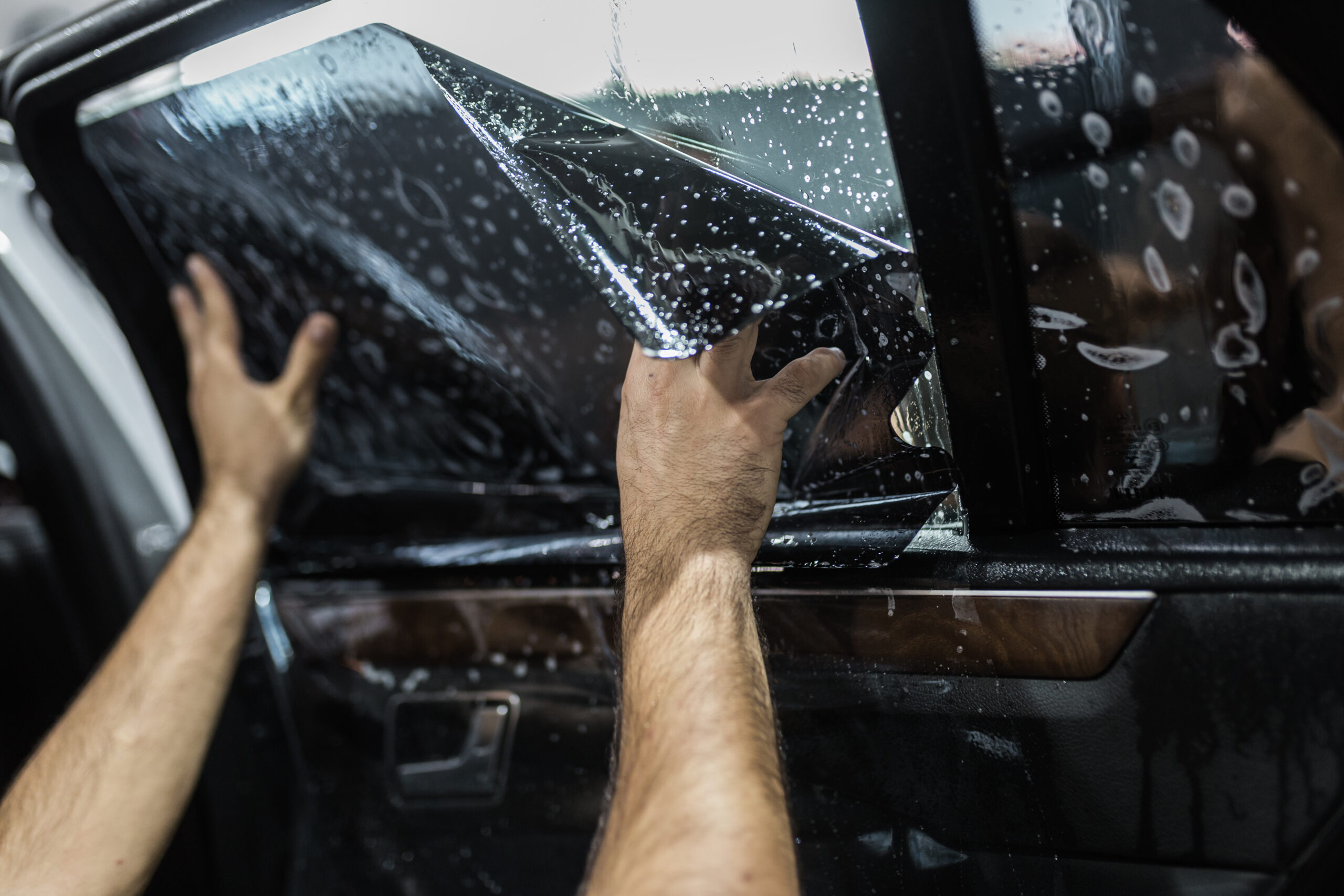
For drivers in Caldwell, Boise, and Nampa, window tinting has become more than a cosmetic upgrade. In Idaho’s climate, where hot summers, glare, and interior UV exposure can make daily driving uncomfortable, quality automotive window tint offers practical value that extends well beyond appearance. Drivers often seek tinting to reduce cabin heat, improve privacy, protect interior materials from sun damage, and create a more refined look for their vehicle. However, one of the most common questions vehicle owners ask before scheduling service is straightforward: how much does car window tint cost in Caldwell, ID?
The answer depends on several important variables, including the type of film selected, the size and complexity of the vehicle, installation quality, warranty coverage, and the experience level of the tint shop performing the work. While some lower-cost options may initially appear attractive, pricing alone rarely tells the full story. In practice, the quality of installation and the grade of tint film used often determine whether a customer receives years of reliable performance or begins dealing with bubbling, fading, peeling, or discoloration within a relatively short period of time.
From firsthand experience in the automotive aftermarket industry, one of the largest pricing misconceptions is the assumption that all window tint films perform similarly. In reality, dyed tint, carbon tint, hybrid films, and ceramic tint products vary significantly in heat rejection capability, optical clarity, UV protection, longevity, and installation difficulty. According to the International Window Film Association (IWFA), professionally installed automotive window film can block “more than 99% of harmful ultraviolet rays,” helping reduce interior fading and occupant UV exposure. Higher-end ceramic films also provide substantially better infrared heat rejection, which can make a noticeable difference during Idaho summers.
In the Caldwell and Treasure Valley market, pricing can also fluctuate based on local demand, installer reputation, and warranty support. Shops specializing in premium automotive protection services often invest heavily in training, precision cutting systems, dust-controlled installation environments, and high-performance films from established manufacturers. These operational differences directly influence the final cost customers see on a quote.
Understanding how tint pricing works allows vehicle owners to make more informed decisions instead of comparing services solely by the lowest advertised number. For many drivers, long-term value, appearance quality, and product durability ultimately outweigh the short-term savings associated with budget installations.
The Four Biggest Factors That Affect Car Window Tint Cost in Idaho
1. The Type of Window Tint Film Being Installed
The largest factor influencing window tint pricing is the type of film selected. Not all tint products offer the same level of performance, and pricing differences often reflect major variations in technology and longevity.
The most common automotive tint categories include:
- Dyed window tint
- Carbon window tint
- Hybrid tint film
- Ceramic window tint
Dyed window tint is typically the most affordable option and is commonly used for appearance enhancement and basic glare reduction. However, dyed films generally provide lower heat rejection and may fade faster over time compared to premium alternatives.
Carbon tint offers improved durability and better solar performance while maintaining a darker, matte-style appearance. Many drivers choose carbon film as a mid-range solution that balances cost and performance.
Ceramic window tint represents the premium end of the market. Ceramic films use non-metallic ceramic particles designed to reduce infrared heat while maintaining excellent visibility and signal clarity for electronics, GPS systems, and mobile devices. According to 3M, advanced ceramic automotive films can reject a substantial percentage of solar heat without interfering with connectivity.
In the Caldwell and Boise area, ceramic tint installations generally cost more because the material itself is significantly more expensive and often requires greater installation precision. However, many Idaho drivers consider ceramic tint worthwhile due to its heat reduction performance during hot summer conditions.
Estimated pricing ranges in the Treasure Valley often fall into these general categories:
- Basic dyed tint: approximately $150–$300
- Carbon tint: approximately $250–$500
- Ceramic tint: approximately $400–$900+
Actual pricing varies depending on vehicle size and film brand.
2. Vehicle Size and Window Complexity
Vehicle size plays a major role in determining tint cost because larger vehicles require more material and additional labor time. A compact sedan naturally costs less to tint than a full-size SUV, crew cab truck, or luxury vehicle with extensive glass coverage.
Several vehicle-specific factors affect installation pricing:
- Number of windows
- Window size and curvature
- Steep rear glass angles
- Defroster line complexity
- Frameless window designs
- Specialty or panoramic glass
For example, many modern SUVs and Teslas include large rear windows or expansive panoramic roofs that require advanced installation techniques. Certain luxury vehicles also feature tighter tolerances or more sensitive interior trim components, increasing labor complexity.
From practical experience, rear windshield installations often represent one of the most technically challenging aspects of automotive tinting. Large curved rear glass panels require careful shrinking and heat-forming of the film to eliminate creases or contamination. Poor installation technique in these areas commonly leads to visible imperfections, trapped debris, or premature lifting around edges.
Drivers comparing quotes should also verify whether pricing includes:
- Full vehicle tinting
- Windshield visor strips
- Panoramic roof tinting
- Removal of old film
- Warranty coverage
Lower advertised pricing may exclude these services entirely.
3. Installation Quality and Shop Experience
Professional installation quality significantly affects both appearance and long-term durability. While lower-cost tint providers may advertise aggressive pricing, inconsistencies in installation standards can lead to expensive problems later.
Common signs of poor-quality installation include:
- Dust contamination beneath the film
- Air bubbles or trapped moisture
- Uneven edges
- Light gaps
- Film peeling
- Purple discoloration over time
Shops specializing in premium automotive restyling services typically operate in cleaner environments with experienced installers who understand vehicle-specific application methods. High-end shops also use computer-cut patterns and precision installation techniques designed to reduce trimming errors and contamination risks.
This is one area where experience matters substantially. From firsthand industry observation, experienced tint installers often spend years refining heat-shrinking techniques, edge finishing, and contamination control procedures. The difference between a rushed installation and a properly executed one is usually noticeable immediately.
In Caldwell, Boise, and Nampa, reputable tint shops may charge more upfront, but customers often receive:
- Better visual finish quality
- Longer-lasting film performance
- Cleaner edges and fitment
- Manufacturer-backed warranties
- Reduced risk of film failure
According to the IWFA, professional installation also helps ensure compliance with state tint regulations and improves long-term film adhesion.
4. Idaho Tint Laws and Long-Term Value Considerations
Idaho window tint laws can also affect pricing decisions because legal compliance influences the type of film customers choose. Drivers seeking darker tint percentages may need guidance from experienced installers familiar with Idaho regulations.
As of current Idaho regulations, passenger vehicles generally allow:
- Non-reflective tint above the AS-1 line on windshields
- Up to 35% visible light transmission (VLT) on front side windows
- Rear side and rear windows with more flexibility depending on vehicle type
Because regulations can change, professional installers typically help customers select compliant films that balance appearance, privacy, and visibility.
Long-term value should also be considered when evaluating tint pricing. Higher-quality films often include:
- Lifetime warranties
- Better color stability
- Improved scratch resistance
- Stronger UV rejection
- Greater heat reduction performance
In practice, lower-cost tint jobs frequently become more expensive over time if replacement or removal becomes necessary. Removing degraded tint adhesive can be labor-intensive and may increase future installation costs.
For many Idaho drivers, especially those parking outdoors regularly, investing in higher-quality film often produces better long-term satisfaction and improved driving comfort. Drivers interested in learning more about performance benefits can also read top benefits of window tint in Caldwell, Idaho and how much cooler window tint can make your car.
Frequently Asked Questions About Window Tint Pricing in Caldwell, Idaho
How much does car window tint cost in Caldwell, ID?
Most professional window tint installations in Caldwell range from approximately $150 to $900 or more, depending on film type, vehicle size, and installation quality.
Why does ceramic tint cost more?
Ceramic tint uses advanced heat-rejection technology that significantly improves infrared heat reduction, UV protection, and clarity compared to standard dyed films.
Is cheaper window tint worth it?
Lower-cost tint may initially save money, but lower-grade films often fade, bubble, or peel sooner. Professional installation and higher-quality materials generally provide better long-term value.
Does vehicle type affect tint pricing?
Yes. Larger vehicles, curved windows, panoramic roofs, and specialty glass increase material usage and installation complexity.
Can window tint help keep my car cooler in Idaho summers?
Yes. High-performance tint films, especially ceramic products, can reduce interior heat buildup and improve driving comfort during hot weather.
Drivers throughout Caldwell, Boise, and Nampa continue investing in professional automotive window tint because it combines appearance enhancement with practical performance benefits. Whether the goal is reducing cabin heat, protecting interior materials, improving privacy, or upgrading vehicle aesthetics, choosing the right tint shop and film type plays a major role in long-term satisfaction.
Auto Shades Window Tint & Paint Protection provides professional automotive tint installation services throughout the Treasure Valley, helping drivers choose high-quality films designed for Idaho conditions. With experienced installation techniques, premium film options, and a focus on long-term performance, vehicle owners can achieve a cleaner appearance and a more comfortable driving experience while protecting their investment.